





FAQ
- Electric standards
- Time zone
- Weather
- Travel
- Visa
- Paying in Spain
- Meals times in Spain
- How long do I have for my talk?
- How big should my poster be?
- How do I access healthcare in Spain?
- LGBTQ+
- Is Madrid a safe place?
- Still have questions?
Electric standards
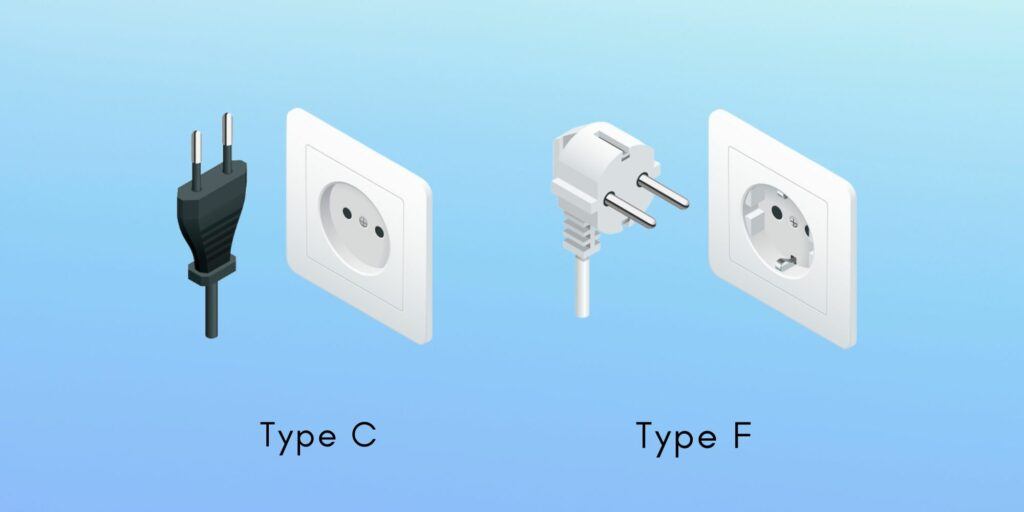
The standard electric voltage in Spain is 230 volts at a frequency of 50 Hz. Type F sockets are commonly used. You might need a plug adapter and potentially a voltage converter to ensure your electronic devices work properly.
Time Zone
During September, Madrid operates in Central European Summer Time (CEST/UTC+2). The sun rises at around 8am and sets at around 8pm.
Weather
For the dates of the conference, the average high is 26°C (20°-27°), and the average low is 13°C (8°-17°). The weather is pleasant and mild. During the day, it can get warm, so light clothing is advisable. In the evenings, temperatures drop, so bring a few layers to stay comfortable.
Travel
For more details, see Travel.
Visa
For more details, see Visa.
Paying in Spain
Spain uses the Euro (€) as currency. Most places accept VISA and MasterCard, but some smaller shops might not accept cards or have a minimum purchase amount to accept a credit card. You can withdraw Euros at ATMs, which are quite ubiquitous. Tips are not mandatory and are closely linked to customer satisfaction with the service received. You can consult more details on the official tourism website about Money in Madrid.
Meals times in Spain
Food is a central part of life in Spain. It is not simply the act of eating: it is what structures social life, and the various meals throughout the day are all opportunities to connect with friends, family and even make new friends. Madrid offers a huge range of venues for every meal of the day, as well as a rich culinary scene.
One thing worth bearing in mind is when people eat. Meal times in Spain are very different from those elsewhere in Europe. It is common to eat five times a day. Breakfast tends to be early in the morning and is often eaten out, at a café or bar. Around midday, people usually stop for a bite, either savoury or sweet. Then, between 2 and 4 pm, comes lunch. Mid-afternoon there is the merienda, a light snack, and dinner is at around 9 pm.
That said, Madrid is a cosmopolitan city, and in the central districts it is easy to find places serving food throughout the day. The mercados are a fantastic option for sampling the culinary variety of both the city and the country. Two worth visiting: Mercado San Miguel and Mercado de la Cebada
You will find more information in the guides below:
https://www.esmadrid.com/sites/default/files/comer_en_madrid_2019.pdf
https://www.esmadrid.com/comer-beber-madrid
How do I access healthcare in Spain?
In case of emergency, call 112. As a European citizen, you can receive healthcare services using a European Health Insurance Card (EHIC) issued in your country of origin.
LGBTQ+
Madrid is an open and welcoming city for the LGBTQ+ community, where diversity is fully celebrated and respected in public and social life. See Madrid LGTBIQA+.
Is Madrid a safe place?
Madrid is a safe city with a low violent crime rate compared to other cities (comparative data); however, petty crime (especially pickpocketing) is common, especially in tourist areas. Madrid is generally safe at night, even in the center.
The Foreign Tourist Assistance Service, SATE, is a specialised service run by the MADRID DESTINO municipal organisation in collaboration with members of the national police force. Its purpose is to attend to the needs of tourists who, during their stay in Madrid, are involved in incidents that require police intervention.
Still have questions?
If your question is not answered above, please do not hesitate to contact us at cinc2026@eventsgb.com. We will be happy to help you.
Calendar ■ Registration ■ Authors ■ Programme ■ Travel ■ PhysioNet Challenge ■ FAQ